Continuing to try and find places I hadn’t seen in my first venture to Japan, I booked a single day tour of Nikko, which is about 2.5 hours north of Tokyo proper. The tour group and guide was mostly from Hong Kong (China has recently relaxed its restrictions on travel), but also included two couples from Germany and Spain respectively. The first pit stop was in the “Strawberry Kingdom” of Tochigi where the fruit is famous for its quality and this becomes flavoring for everything from Kit Kats to ‘yogurt drink’ (hey don’t knock it, it’s actually good).
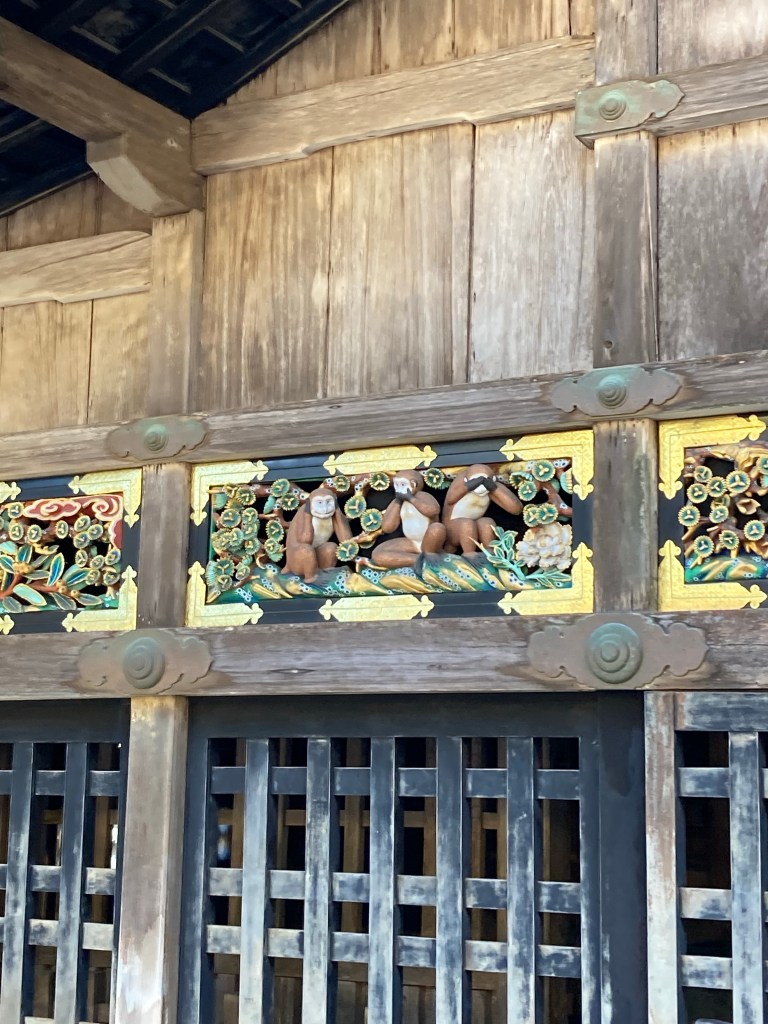
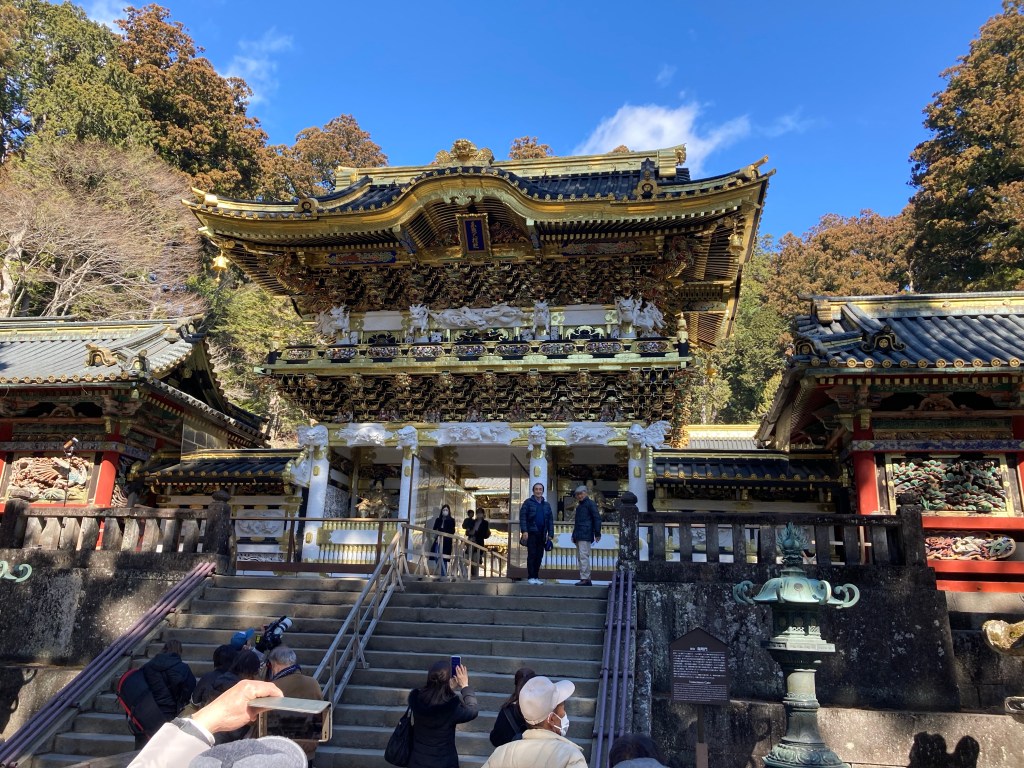
Toshogu Shrine was the first actual destination and houses the remains of Tokugawa Ieyasu, the shogun who united Japan after centuries of civil war and began the Edo period of peace & prosperity in 1610. His lineage continued to rule for over 250 years during the ‘sakoku’ (“chained country”) time of national isolation until the Meiji Era ushered in by Commodore Perry’s gunboats. Regardless, the site is a beautiful tribute to a beloved leader with several sections structured sorta like a question mark. The first structure notes is a stable with ‘three monkeys’ motifs along the outside; coincidentally this is where the expression “see no evil, hear no evil, speak no evil” comes from.
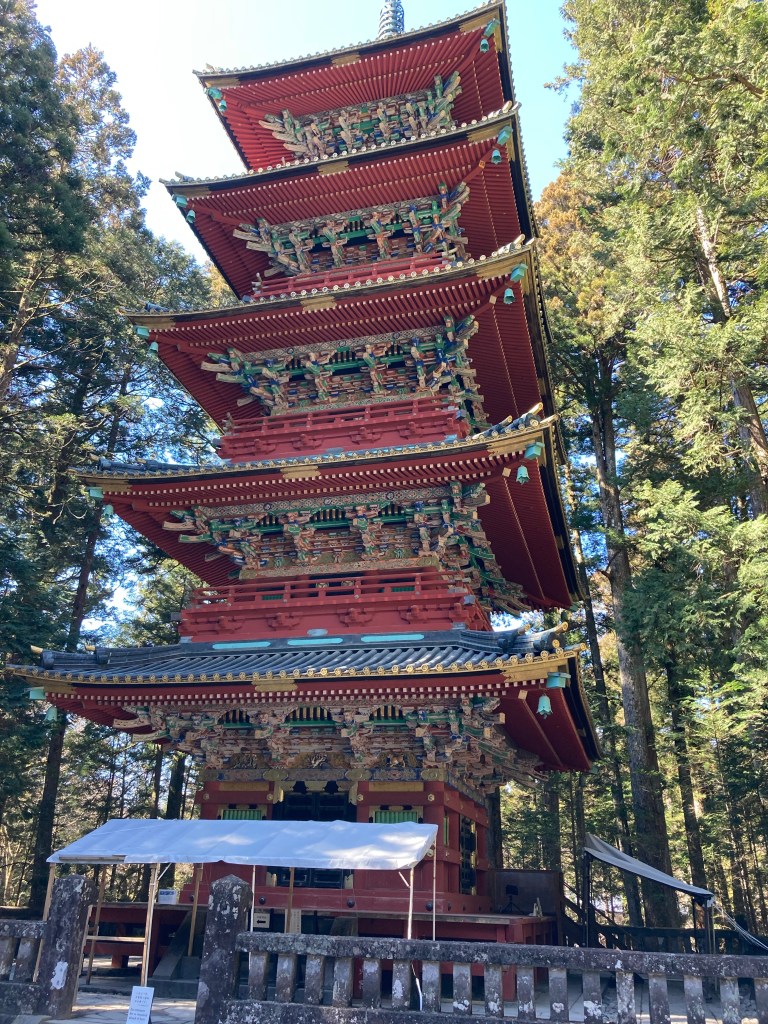
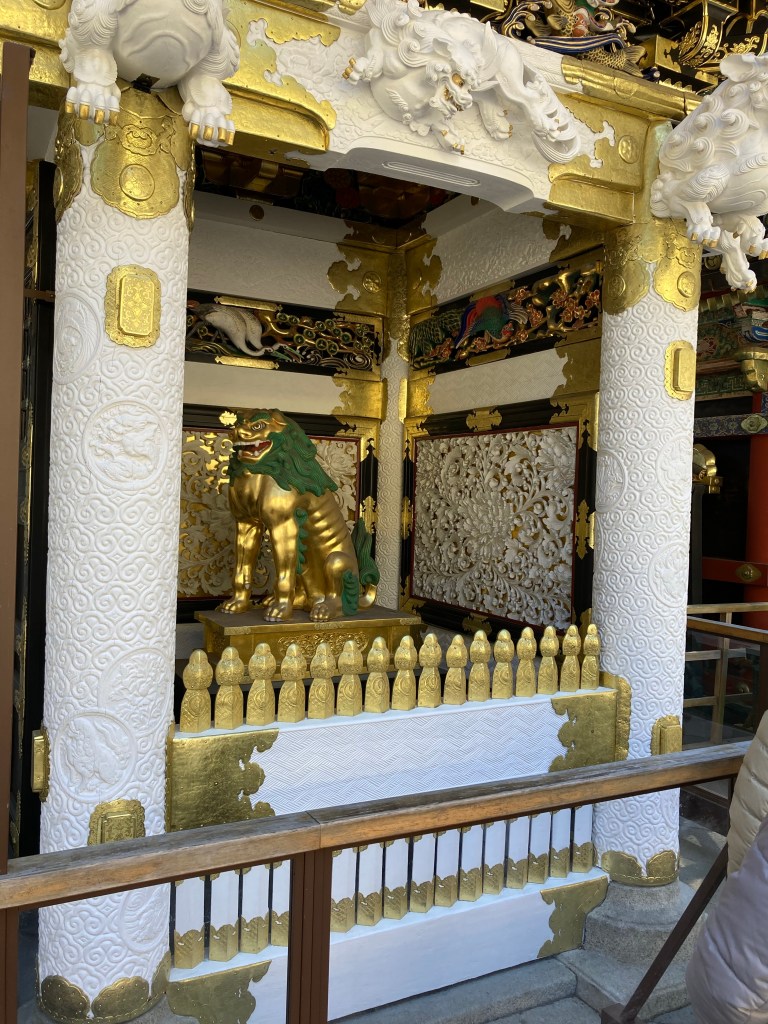
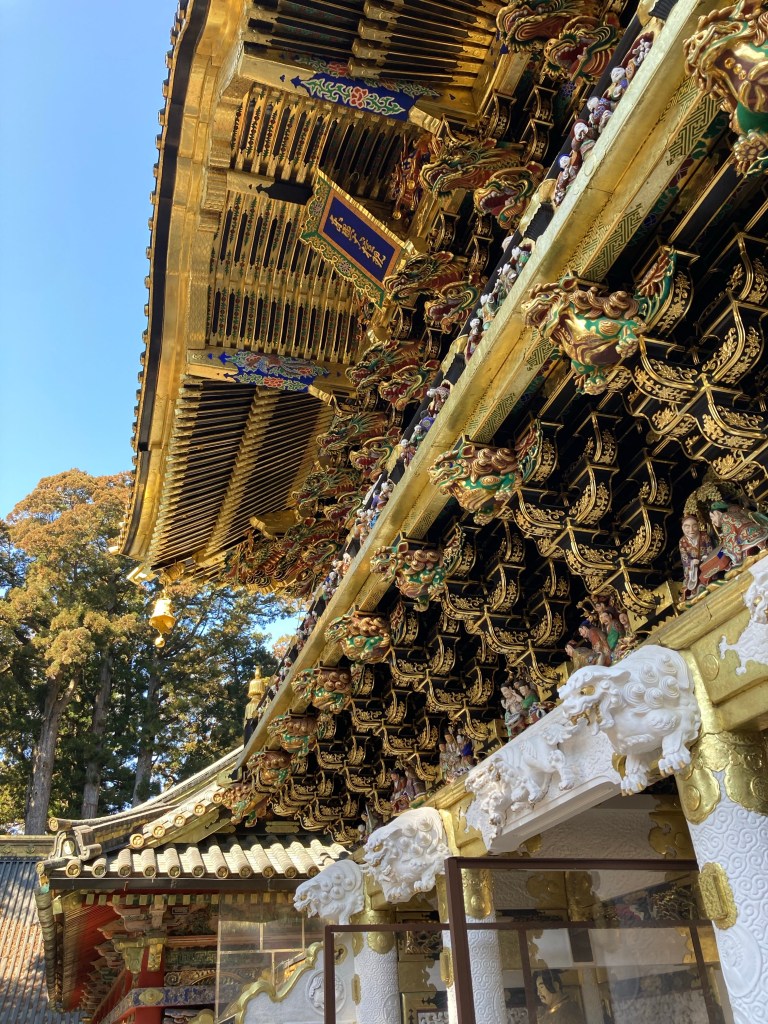
No space was wasted in this memorial, and even the storehouses were decorated in extensive detail. One such is known as the “imagined elephants” as Japanese artists had never seen one for themselves and only had Chinese poetry to go off of (I have to say one of them was damn close). Perhaps the piece de resistance here is the Yomeimon – the most elaborate gate in Japan. One of the pillars is purposefully upside-down, as perfection is seen as inviting ruin by the gods. A smaller Chinese gate leads directly on to the Tokugawa remains but the actual pathway curves right up a series of over two hundred stone steps (each carved of a single slab) and under the Sleeping Cat archway, which recognizes both the shogun’s love for felines (good taste) and the stability his rule begat.
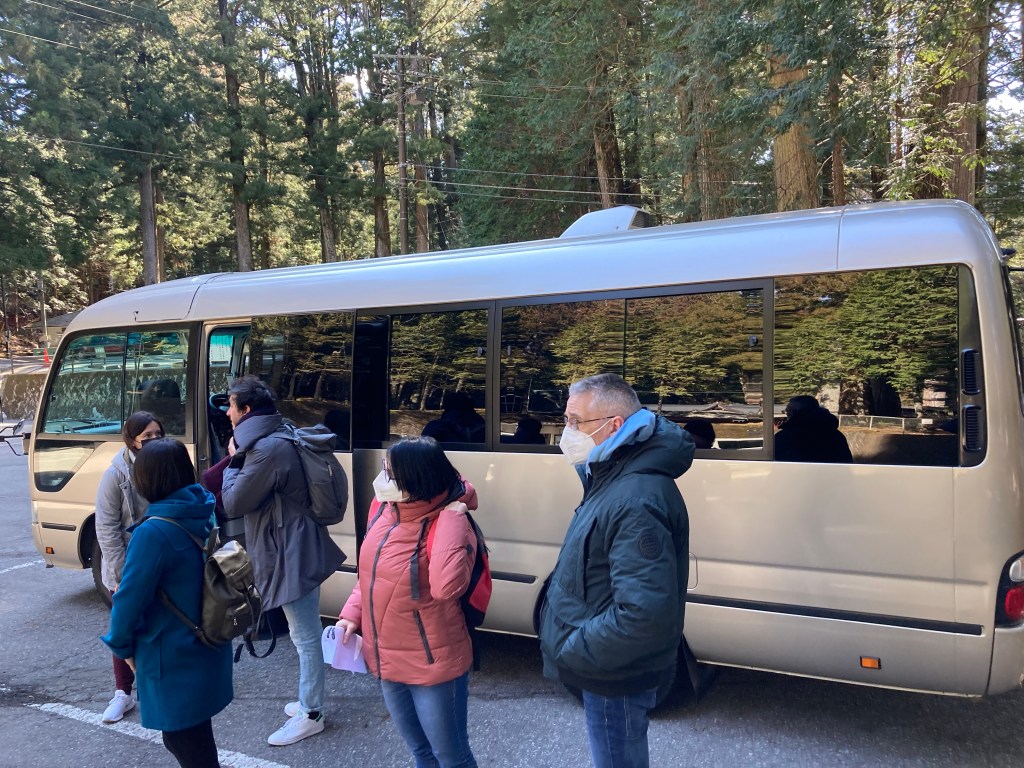
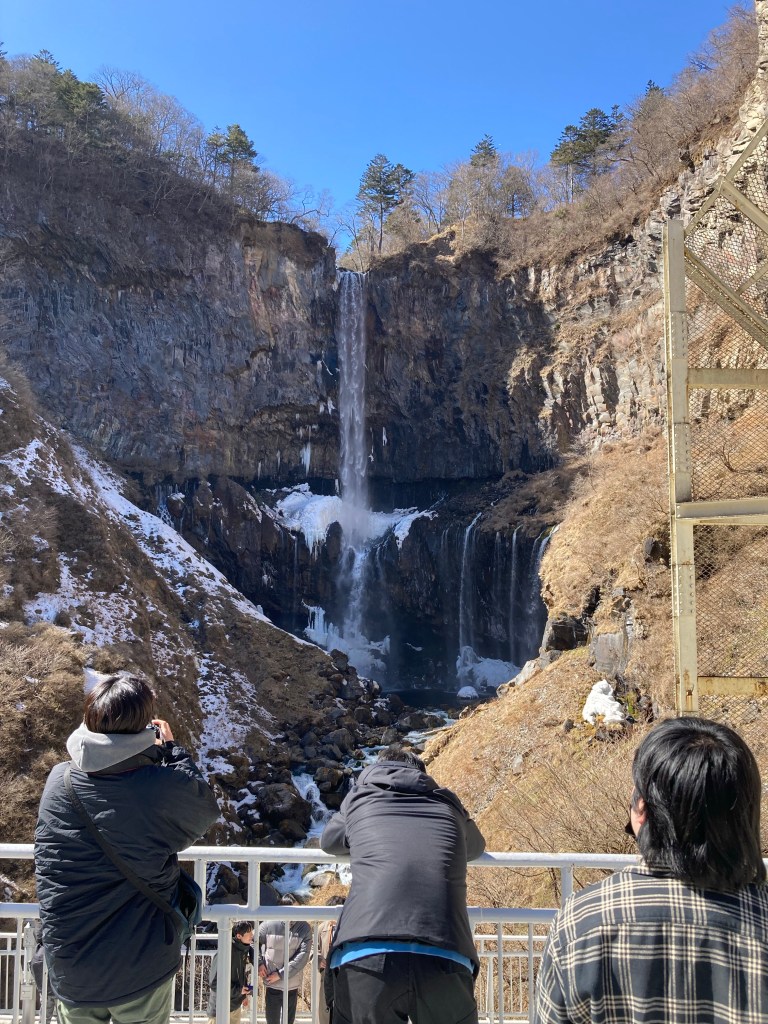
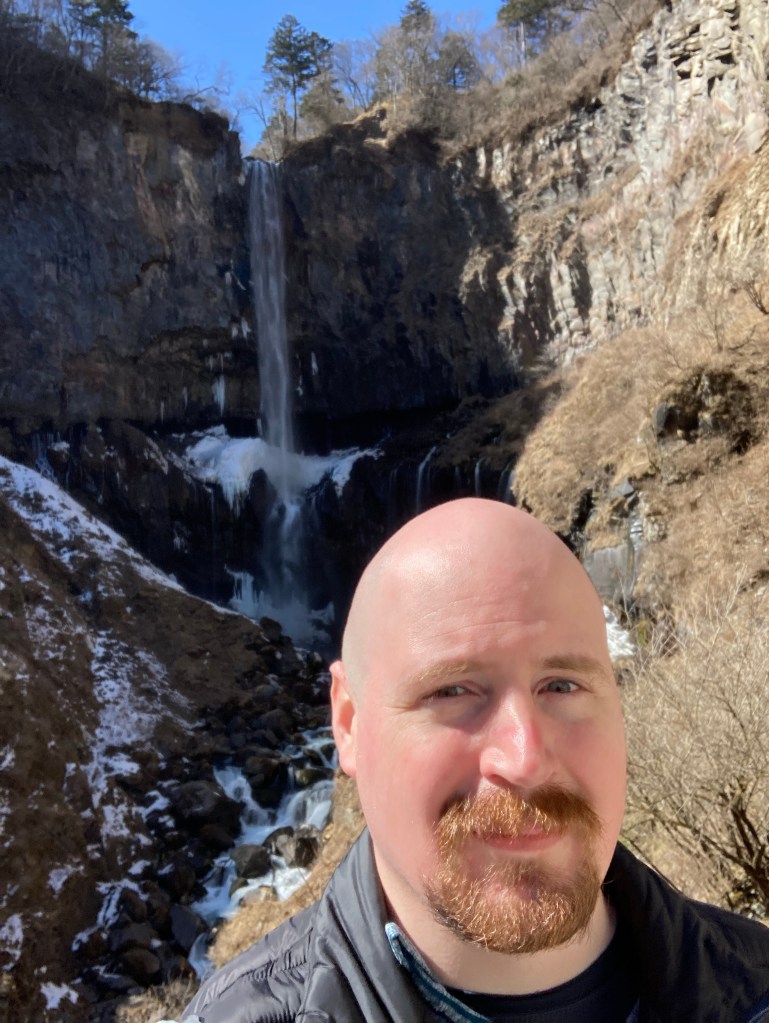
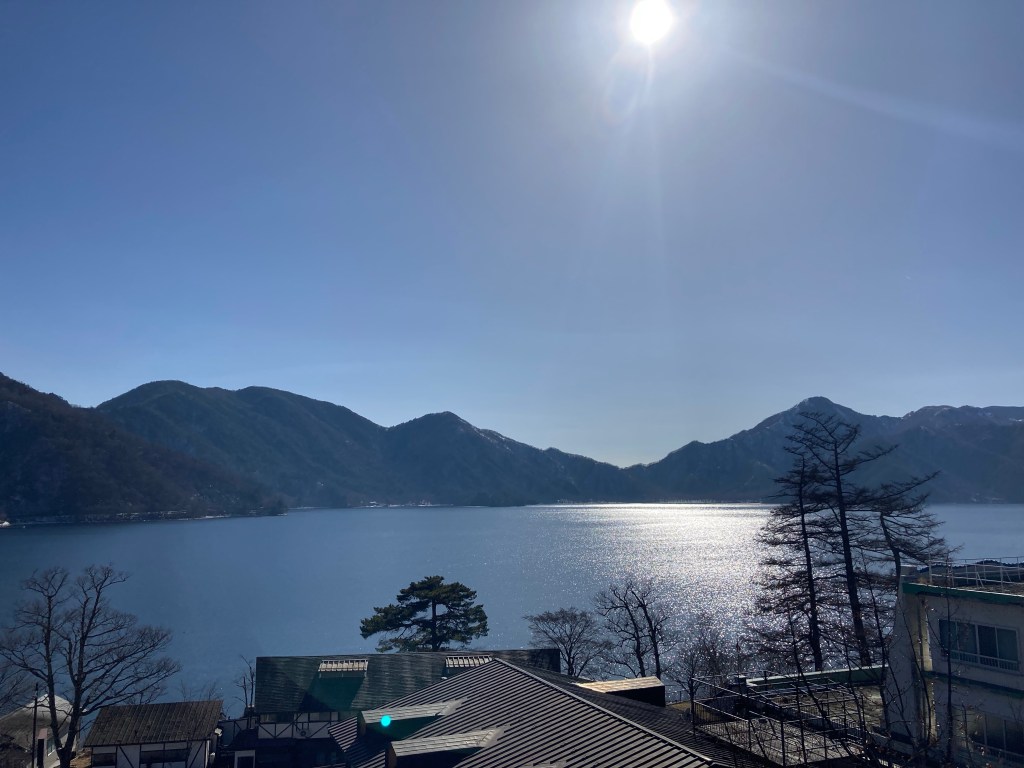
The last section is an acoustical wonder called the Crying Dragon, where a priest standing in a very specific unmarked spot underneath a massive dragon painting on the ceiling of a shrine can strike two wooden blocks together to produce an echo (nowhere else in the chamber does this happen). Photos and videos are not allowed, so you’ll just have to take my word. We piled into the minibus and headed to the Kagon waterfall next, considered one of the top three in the country. A 100m elevator takes you down to the roaring base which continues to flow down into Nikko as its main river. This waterfall is the sole egress from Lake Chuzenji which was formed by volcanic eruption two millennia prior. We took some time for photos and lunch before continuing onto the hot springs fed by subterranean thermal currents. Not going to lie, none of us made eye contact the ride home (it was a very small bathhouse…)
The 48-hairpin turn mountain road took us back to the Shinjuku ward and I had some local (phenomenal btw) curry rice for dinner. I had meant to try and give Roppongi a second chance that night, but my power nap turned into just sleep. Meeting up with Ryan and Jen today so now y’all can be assured there’s more fact-checking going on in my tales going forward.

